Author: Danielle Watson

Cracking the Future with DNA: The Rise of Synthetic Biology

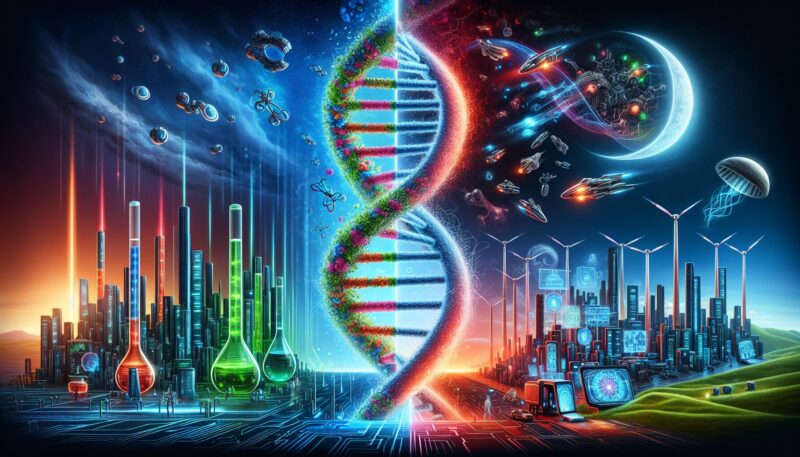
Hey, tech enthusiasts! Gather around because today we’re diving into synthetic biology. You might have heard whispers of it, or maybe you’ve seen some wild sci-fi movies where DNA manipulation goes haywire. But our reality is far more promising than dystopian fiction. We’re looking at a future where life itself can be designed with precision and creativity, thanks to this growing field that’s changing everything.

What the Heck is Synthetic Biology?

Let’s start with the basics. Synthetic biology is like playing with LEGO bricks, but instead of plastic blocks, we’re talking about the fabric of life—DNA. It’s about engineering organisms to carry out specific functions, whether it’s to produce medicines, create biodegradable materials, or even tackle climate change. Incredible, right? Who would have thought we’d come to a point where DNA could be as programmable as your everyday gadget?

Imagine having the recipe to brew your own insulin via yeast cells or tailor bacteria to break down pollutants in the ocean. Synthetic biology is all about harnessing nature’s code to solve real-world problems, and trust me, it’s as cool as it sounds!

The Current State of Play

Now, onto the juicy bits—what’s happening in the world of synthetic biology right now? For one, startups like Ginkgo Bioworks and Zymergen are on the frontline, creating a kind of microbe-based alchemy. Ginkgo Bioworks, for instance, is a Massachusetts-based company that’s pioneering the concept of biofacturing—manufacturing products through bioengineered organisms. It’s like magic meets science, and it’s already shaking up traditional industries.

But wait, there’s more! The pandemic pushed synthetic biology into the spotlight, particularly in medicine. Moderna and BioNTech used synthetic biology principles to quickly develop their mRNA COVID-19 vaccines. They reprogrammed tiny snippets of genetic code to teach our bodies how to fend off the virus. It’s like giving our immune systems a supercharged crash course.

The Bright (and Occasionally Creepy) Future

If we look a bit further down the road, the possibilities multiply faster than fruit flies. On our to-do list for the future: lab-grown meat, crop plants that thrive without pesticides, and even bacteria that can clean up oil spills. Synthetic biology could address some of our planet’s most pressing challenges.

But full transparency here—it’s not all rainbows and butterflies. Like with any innovation, there are concerns, mainly around ethics and safety. Some worry about ‘designer’ organisms escaping into the wild, or ‘biohackers’ using the tech for nefarious means. It’s like getting a new iPhone but realizing someone could weaponize iOS. We need regulatory frameworks to keep pace and ensure that what’s good doesn’t go bad.

Personal Musings from a Science Lover

When I first started exploring synthetic biology, I couldn’t help but think about playing god with DNA. But the more I learned about it, the more I realized it’s less about playing god and more about understanding the language of life. Just like learning a new programming language, it’s meticulous, requires creativity, and comes with debugging practices. It’s science fiction turned nonfiction, offering a vision less about domination and more about working with our environment.

The idea that in just a few decades, a discipline that once seemed fringe could pave the way for massive advancements in health and sustainability is mind-blowing. Think about it—we’ve gone from Stone Age innovation to potentially re-engineering life itself. That’s progress!

Conclusion

Synthetic biology is one of those fields where optimism is needed hand-in-hand with caution. While it’s thrilling to witness this frontier technology unfold, we need to shape its path responsibly. The revolution in how we understand and use the very threads of life is inspiring.

So, as we stand at this crossroads of potential, it’s not just about watching and waiting. Whether you’re a fan of tech, an industry pro, or someone who just followed a curious link, the impacts of synthetic biology will ripple into our everyday lives—so stay tuned and stay informed. Here’s to an innovative, and hopefully very healthy, future!
Unveiling the Future: Artificial Intelligence in Creative Arts

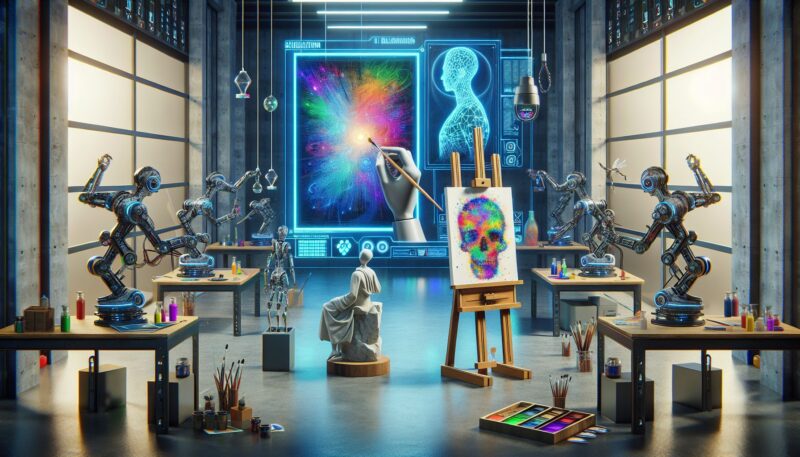
Hey tech explorers! Today, let’s dig into the weird world where neural networks paint, sketch, and compose — where Artificial Intelligence crashes into the Creative Arts. This isn’t some distant sci-fi fantasy but something happening right now, and it’s changing how we think about art.

Art and Algorithms: A Surprising Symbiosis

When we talk about AI in creative arts, it might sound like a bizarre idea at first. I mean, letting a computer create art? What sorcery is this? But the reality is, AI is already elbow-deep in the creative world, and it’s blowing our minds.

Take OpenAI’s GPT-3, for instance. It’s been making waves by writing poetry and screenplays, copying the style of cultural icons. This tool spits out coherent stories from mere keywords — stories that have left me (and many others) quite frankly, astounded. Meanwhile, neural networks like DALL-E and Midjourney have been generating some wild imagery, creating visuals that would challenge even seasoned artists.

Is it intimidating? Heck, yes. But it’s also exciting! Imagine collaborating with an AI that helps you overcome creative blocks or acts as a virtual muse sparking unthinkable ideas. Personally, I’ve tried using some of these tools to break my writer’s block. I won’t lie; sometimes it feels like having a very quirky, eccentric co-writer.

The Technology Behind the Curtain

So, how do these AI artists actually do it? It all comes down to machine learning models that have been fed mountains of data. Neural networks are trained with vast databases of literature, artworks, and music. They learn patterns, styles, and the subtleties that make creations uniquely human (ironically).

This is where Big Data comes into play. The more data these AI models consume, the more sophisticated their output becomes. But it’s not just about data; it’s also about the algorithms driving these creations. Think of them like brushes and colors in the hands of an artist.

What’s truly fascinating is how these algorithms evolve to express ideas. They’re not copying existing works but creating something new. It’s not just mimicry; it’s originality in its own right. The philosophical implications are vast and somewhat mind-boggling. Can machines truly create? Can they feel inspiration?

New Paradigms in Art and Creation

The art world, as you’d expect, has mixed feelings about this techno-renaissance. There’s a camp that’s excited about the endless possibilities — imagine art exhibits where human and AI artists collaborate. Then there are those skeptical of AI’s potential to truly “understand” art.

It’s a little like the introduction of photography, which initially freaked out painters but eventually found its own artistic niche. I believe AI will also carve out its place, complementing rather than replacing human creativity.

Museums like the Louvre or MoMA might soon host AI-generated masterpieces. There could be entirely new art categories or even genres emerging. Think “Neural Impressionism” or “Cognitive Jazz”. These aren’t just imaginative terms but potential realities.

Challenges and Ethical Considerations

Of course, it’s not all rainbows and neural networks — there are ethical puzzles at play. Ownership of AI-generated art is a murky area. Who holds the rights: the programmer, the user, or the algorithm itself?

Then there’s the concern about artistic homogenization. While AI has the potential to generate fresh perspectives, an over-reliance could lead to a loss of human touch in art, the kind that moves us in profound, inexplicable ways.

We need to approach AI in the arts responsibly, integrating it not as a replacement for artists, but as an enhancer of human creativity. Imagine if Van Gogh had an AI to play with his dynamic skies or Mozart an AI orchestra to test symphonies in real-time. The possibilities are boundless but must be approached thoughtfully.

What Comes Next in Art

As we cautiously welcome AI into the creative arts, there’s genuine excitement about what lies ahead. From AI-generated movie soundtracks to paintings, literature, and beyond, this integration is less about replacing artists and more about expanding the creative toolkit.

Recently, I collaborated with an AI to compose a short story — the narrative arc took unexpected turns I’d never even considered. It was thrilling and slightly surreal. This firsthand experience hammers home the point: AI isn’t here to snatch the brush from our hands; it’s offering us a bigger canvas.

So, to all the artists, programmers, and curious minds out there, let’s embrace this new chapter with open arms and an open mind. We’re not just watching history unfold, we’re helping write it. And that feels pretty special to be part of.

The Longevity Revolution: Unlocking the Secrets to Extended Lifespans

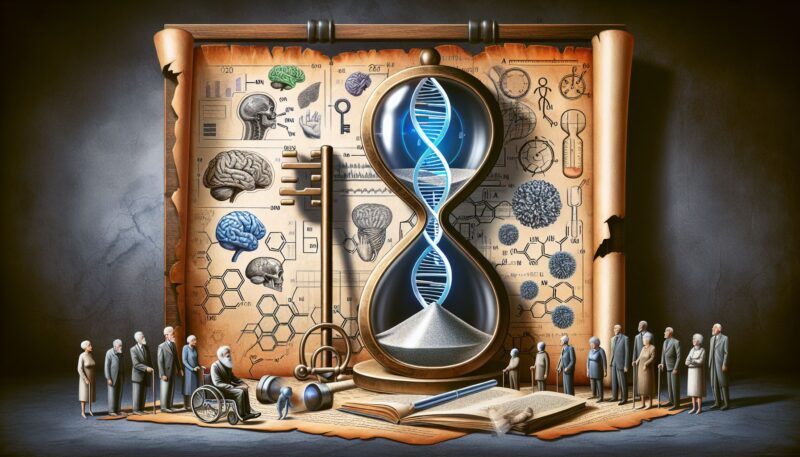
We’re living through some pretty wild times when it comes to science and technology. What used to be pure science fiction is actually happening in labs around the world. And honestly? The whole longevity thing might be the most mind-blowing of all. We’re not just talking about wishful thinking anymore—scientists are making real progress on extending how long we live. But what’s actually driving this push to help us live longer? Let me walk you through the innovations and research that might change how long humans stick around on this planet, and what that could mean for all of us.

The Quest for Longevity: Beyond Anti-Aging Creams

People have been trying to fight aging for decades. But for the longest time, we were stuck with face creams and supplements that barely scratched the surface. Now things are different. Today’s longevity researchers are working with serious biomedical science, advanced biotechnology, and medical therapies that sound like they’re from a sci-fi movie. We’re talking about real interventions that don’t just hide the signs of aging—they’re actually trying to mess with the biological processes that cause it in the first place.

The Science of Aging

To understand why this is all so exciting, you need to know what aging actually is. It’s way more complicated than just getting wrinkles and gray hair. Aging happens when your cells and molecules get damaged over time, which makes your whole body work less efficiently. Longevity researchers are targeting these processes to extend what they call “healthspan”—basically, how long you can live while still feeling good.

Key Biological Pathways:

  1. DNA Damage and Repair: Every time your cells divide, your DNA picks up a little damage. Over decades, this adds up. Scientists are working on ways to beef up your body’s DNA repair systems.

  2. Telomere Shortening: These are like protective caps on your chromosomes that get shorter every time cells divide. When they get too short, cells die or stop working properly. Some researchers think maintaining telomeres could be key to living longer.

  3. Mitochondrial Dysfunction: Your mitochondria are basically tiny power plants in your cells. As you age, they start breaking down, which means less energy and more cellular damage.

  4. Nutrient Sensing and Caloric Restriction: There are pathways in your body that sense how much you’re eating. Eating less (but not too little) has been shown to extend lifespan in lots of different animals.

Emerging Longevity Interventions

Senolytics: Clearing Out the Zombie Cells

Here’s something that sounds straight out of a zombie movie. As you age, some of your cells become what scientists call “senescent”—they’re basically zombie cells that don’t work anymore but won’t die either. These cellular zombies just hang around causing inflammation and damage. Senolytics are drugs designed to kill off these zombie cells. Early studies in animals look promising for reducing age-related diseases and extending lifespan. I have to admit, the idea of clearing out zombie cells from my body sounds pretty appealing.

Genetic and Epigenetic Editing

Being able to edit genes opens up some wild possibilities for longevity. CRISPR and other gene-editing tools let scientists make precise changes to DNA, potentially fixing mutations that contribute to aging. Then there’s epigenetic editing, which changes how genes get turned on or off without changing the DNA itself. It’s like having a dimmer switch for your genes.

Personalized Medicine and Biomarker Discovery

The days of giving everyone the same treatment are numbered. Personalized medicine means tailoring treatments to your specific genetic makeup and molecular profile. If researchers can find reliable markers that show how fast you’re aging, they could design specific interventions just for you. It’s like having a custom-built anti-aging program.

NAD+ and Cellular Metabolism

NAD+ is a molecule that’s involved in some pretty important metabolic processes. As you age, your NAD+ levels drop, and researchers think this contributes to aging. Boosting NAD+ levels with supplements like NMN and NR has gotten a lot of attention lately. Some people are already taking these supplements, though we’re still figuring out if they actually work in humans.

The Ethical and Societal Implications

Look, extending human lifespan sounds amazing, but it also brings up some seriously tricky questions. What happens to the planet if everyone lives 20 or 30 years longer? Will these treatments only be available to rich people, making inequality even worse? These aren’t just academic questions—they’re real issues we need to think about.

Potential Economic Impact

If people live longer, they might work longer too, which could actually help with some economic problems we’re facing with aging populations. But if longevity treatments cost a fortune, they might just make the gap between rich and poor even wider. That’s not exactly the future most of us want.

Quality vs. Quantity of Life

The whole point isn’t just to live longer—it’s to live better for longer. Scientists call this “compressing morbidity,” which basically means shortening the period at the end of life when you’re sick and declining. The goal is more healthy, active years, not just more years of being old and frail.

The Road Ahead: Embracing a Longevity Culture

Making this longevity revolution work is going to take more than just scientists working in labs. We need policymakers, tech companies, and regular people all working together. This isn’t just about scientific breakthroughs—it’s about changing how we think about aging and health in general.

Global Collaborations and Open Science

International collaborations and sharing research data can speed up discoveries in longevity research. When scientists share their methods and findings openly, it prevents duplicate work and helps everyone move faster. Plus, it makes the whole field more transparent.

The Role of Lifestyle Interventions

While all this high-tech stuff grabs headlines, let’s not forget about the basics. Diet, exercise, sleep, and managing stress still have huge impacts on how well you age. No amount of fancy technology is going to help if you’re not taking care of the fundamentals.

Conclusion: The Future is Now

The quest for longevity isn’t science fiction anymore—it’s real science with real possibilities. Every new discovery gets us a little closer to understanding how to live longer, healthier lives. Maybe humans, like good wine, really can get better with age if we figure out the right formula.

We’re at the beginning of what could be a longevity revolution, and honestly, it’s both exciting and a little overwhelming. It makes you think about what a longer life could actually look like and how we can all help shape that reality, one breakthrough at a time.

How To Choose The Best Waffle Maker For Your Kitchen

There are many opinions about what makes a good waffle maker, and each opinion will depend largely on what kind of waffle enthusiast a person is. Some people love their waffles baked to perfection while others enjoy a light and fluffy consistency. This article covers information that should appeal to everyone, no matter your waffle preferences.

best waffle maker

A waffle maker that’s too big just won’t work for many people. Whether you’re a newbie or an expert, you need to make sure your waffles are cooked to perfection. It may take some practice, but it’s well worth it.

The first step to getting a waffle maker that’s right for you is doing your research. Take a trip to the store and look through the various models available. See how the waffle iron looks and how well it heats up. Be sure to check out the size and shape of the waffle iron and what the reviews say about its performance.

If you don’t have time to go to the store to find your waffle iron, then look online. There are many places online that will let you compare the various options and prices for different brands of waffle makers.

Once you’ve found a waffle maker that interests you, it’s time to read the reviews. This will let you see which types of models are popular. The reviews also show what people think about the various features of the waffle maker.

While the reviews are valuable, you need to be able to actually use the waffle maker in question. Most people will tell you that a waffle iron is great if they use it regularly. If you want to know how a waffle maker works, then you’ll want to find one that you can actually use to get great tasting waffles.

Finally, be sure to consider what features matter most to you. If you love the idea of an automatic shut off feature, then a waffle maker that has that is a must for you. It’s more convenient than having a manual shut off feature.

After you have all the details you need to decide on the best waffle maker, start looking for one at the store. It’s best to get it from a large manufacturer.

This way you can get a variety of waffle makers for different sizes. You’ll also be able to buy multiple waffle makers and if you need to, you may even have them personalized.

You should also consider the price of the waffle makers. These will vary widely. There are many places online that offer deals on waffle makers, but you should still check them out if you’re not sure where to buy one.

Check the reviews of the site as well as you would on any other product. You can find reviews about waffle makers and about different brands online, so you should be able to find a review for just about any model of waffle iron.

The final step is choosing a waffle maker that you like and will use regularly. That is, if you don’t want to make any changes to the recipe, then just purchase it from the manufacturer and save yourself some time.

With a little research and some good guidance, you’ll soon have a delicious waffle maker that you can use in no time. If you’re still not sure about what to buy, just give them a try.

While we’re talking about making waffles, there are a few different things you should keep in mind. First of all, make sure the waffle maker is made with quality materials and not plastic ones. Plastic ones may not hold up as well to the griddle as the better quality waffle makers do.

Second, you need to make sure you’re using a quality waffle maker that creates a uniform appearance. When you’re making them, it’s difficult to notice the difference when you’ve used them for some time. In fact, many people won’t even realize they’ve made waffles for the first time when they see them.

The final thing to look at is how much money it costs to purchase the best waffle maker you can afford. There are all different types of waffle makers, so you have a wide variety of options available in this category. However, you’re going to spend a lot more for the top brands.

Are there American Express Secured Credit Cards? Let’s explain

American Express secured credit cards come with several benefits worth considering:

Credit card companies really do try to match their offers to what people actually need. Most cards throw a bunch of perks at you, but American Express takes a different approach with their secured cards. They focus on rewards and benefits that actually make sense for people building or rebuilding credit.

The rewards program is probably the biggest draw here. You earn points on purchases that you can redeem for statement credits or other rewards. It’s not huge money, but getting something back while you’re working on your credit feels pretty good.

These cards help you build a solid payment history, which is exactly what you need if your credit isn’t great right now. Plus, you can use those rewards for everyday stuff or even save up for a vacation if you’re disciplined about it.

American Express secured cards do offer some perks you won’t find everywhere else. Some versions give you airline miles, gas station rewards, or car rental benefits. Not every secured card bothers with these extras.

Travel benefits are where American Express really shows its roots. Even with their secured cards, you get access to things like travel insurance and hotel perks. If you travel regularly, this can actually save you real money on trip expenses.

The fraud protection is solid too. If your wallet gets stolen or you lose important documents while traveling, you can use the card for emergency expenses without getting stuck paying everything upfront out of pocket.

For building credit and earning rewards at the same time, American Express secured cards work well. You get the credit-building benefits of any secured card, but with better rewards than most competitors offer.

Secured cards make sense when you’re planning to put significant spending on one card. Different American Express secured cards have different reward structures, so you can pick one that matches how you actually spend money.

Cash back secured cards from American Express are particularly smart choices. Every purchase helps build your credit file while putting money back in your pocket. That’s a win-win situation.

You might be surprised by what’s available with American Express secured options. Rewards run the gamut from gas cash back to airline miles to hotel upgrades. Much better selection than most secured cards.

Some cards get creative with their reward categories. You might find cash back on groceries, bonus points on dining, or travel credits. The variety gives you options to match your spending habits.

American Express secured cards also let you buy gift cards with rewards and often include travel insurance as a standard benefit. There are quite a few extras beyond the basic secured card features.

How to Find the Best Car Insurance Company

Every driver wants to find the best car insurance company. The car insurance industry is brutal when it comes to competition. You’ve got tons of options, which honestly makes choosing even harder sometimes. Most car insurance companies have moved online to stay competitive, and I’ll tell you what — finding the best car insurance company online beats driving around town hunting for local agents.

When you’re collecting quotes from different companies, don’t forget to ask about good driver discounts. It’s pretty straightforward: good drivers crash less, so they pay less. If you’ve kept your record clean, your premiums should reflect that. Most companies reward drivers with spotless records or those who bundle multiple policies. Some will even cut you a break if you take an advanced driving course.

Total loss coverage is something worth looking into. If you wreck your car completely, this type of plan pays out. It covers both vehicle damage and medical bills for everyone involved in the accident. Not every insurer offers this, so you’ll need to check. If yours does, sit down with your agent and figure out exactly what situations you’d be covered for.

Collision coverage often comes bundled with other protections. Your insurer might require liability and bodily injury coverage first, though. Ask your agent whether collision includes rental car benefits. If it doesn’t, buying rental coverage separately might actually save you money.

Dig into what discounts your insurance company offers. There are more than you’d think. Good grades can slash your premiums, but you have to ask about it — they won’t just volunteer the savings. Same goes for discounts based on your age, how long you’ve been driving, whether you’re married, and other factors.

Comprehensive coverage is another money-saving opportunity. If you have outstanding loans or debt that’s hurting your credit score, ask whether you qualify for comprehensive discounts. Already have comprehensive? Find out if adding it to your existing policy would lower your overall premiums. Many insurers actually reward this kind of bundling.

Defensive driving courses can earn you discounts with some insurers. Good drivers often pay lower premiums than people with sketchy driving records. Multi-car discounts are common too. If you have more than one vehicle insured with the same company — say your daily driver and maybe a rental policy for travel — ask about multiple coverage discounts.

Don’t overlook good student discounts if they apply to you or your family. The savings can be significant. Umbrella policies are worth considering too. They protect you from most accident-related losses. Here’s the thing though: if you hit someone or damage your own car, umbrella policies won’t cover damage to other people’s vehicles.

How To Play Solitaire For Cash – Start Learning The Game Today

When you’re looking for ways to play solitaire for cash, expect a learning curve. Many people think you need to be some kind of computer genius to succeed at this. That’s just not true. You can learn to play solitaire well with patience and a solid understanding of how the game works.

First, let’s talk about realistic timeframes for making money. Most people assume that once they master solitaire for money, they’ll be playing constantly for hours on end. You might think you can stick to that kind of intense schedule, but honestly, it doesn’t work well for most players.

Sure, if you can stick to your schedule, you’ll probably make some money. But here’s the thing: you’re going to lose money sometimes too. If you’re already experienced with long gaming sessions, you can probably handle those losses. But if you’re new to this? Those losses might sting more than you expect.

To make a real profit from playing solitaire for cash, you need patience. Lots of it. When you start out, you’ll lose money regularly. I won’t sugarcoat it – this gets frustrating fast. Try not to let it get to you too much. Remember that losing is part of learning, and you’ll get better as you keep playing.

If winning money is your goal, plan to play for longer sessions. Gradually increase the time you spend playing. This helps you learn the game mechanics and develop winning streaks.

The best move when learning how to play solitaire for cash is getting a good guide. These guides teach you the basics plus money-making strategies. Look for guides that include practical earning tips, not just game rules.

Playing online might work better for you anyway. You can set a budget and play whenever you want. This lets you build your knowledge gradually and test different strategies without pressure.

Daily practice can really accelerate your learning. There’s no reason you can’t learn through daily play while earning money. Some people actually make a living from it.

Practice every strategy you learn about. With enough practice, you’ll start understanding why some players consistently win while others struggle. Figure out what makes certain strategies work for different people. This helps you find the approach that clicks for you personally.

Playing connects you with other people who share your interest in these games. Take breaks between games to chat with other players. You might make some good friends who can share tips and strategies.

Besides playing for money online, try competing against other players. This gives you a chance to earn money without any upfront investment.

The real secret to making money through solitaire is patience and persistence. Stick with the game even when it gets frustrating. And honestly? Play because you enjoy it, not just for the money.