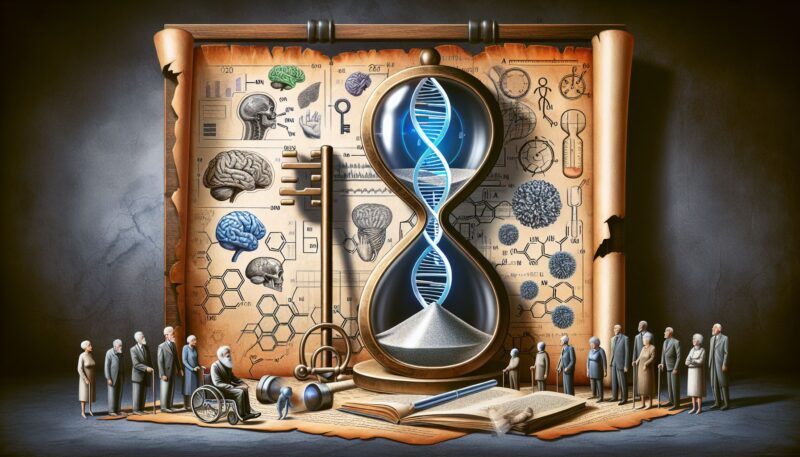
We’re living through some pretty wild times when it comes to science and technology. What used to be pure science fiction is actually happening in labs around the world. And honestly? The whole longevity thing might be the most mind-blowing of all. We’re not just talking about wishful thinking anymore—scientists are making real progress on extending how long we live. But what’s actually driving this push to help us live longer? Let me walk you through the innovations and research that might change how long humans stick around on this planet, and what that could mean for all of us.
The Quest for Longevity: Beyond Anti-Aging Creams
People have been trying to fight aging for decades. But for the longest time, we were stuck with face creams and supplements that barely scratched the surface. Now things are different. Today’s longevity researchers are working with serious biomedical science, advanced biotechnology, and medical therapies that sound like they’re from a sci-fi movie. We’re talking about real interventions that don’t just hide the signs of aging—they’re actually trying to mess with the biological processes that cause it in the first place.
The Science of Aging
To understand why this is all so exciting, you need to know what aging actually is. It’s way more complicated than just getting wrinkles and gray hair. Aging happens when your cells and molecules get damaged over time, which makes your whole body work less efficiently. Longevity researchers are targeting these processes to extend what they call “healthspan”—basically, how long you can live while still feeling good.
Key Biological Pathways:
-
DNA Damage and Repair: Every time your cells divide, your DNA picks up a little damage. Over decades, this adds up. Scientists are working on ways to beef up your body’s DNA repair systems.
-
Telomere Shortening: These are like protective caps on your chromosomes that get shorter every time cells divide. When they get too short, cells die or stop working properly. Some researchers think maintaining telomeres could be key to living longer.
-
Mitochondrial Dysfunction: Your mitochondria are basically tiny power plants in your cells. As you age, they start breaking down, which means less energy and more cellular damage.
-
Nutrient Sensing and Caloric Restriction: There are pathways in your body that sense how much you’re eating. Eating less (but not too little) has been shown to extend lifespan in lots of different animals.
Emerging Longevity Interventions
Senolytics: Clearing Out the Zombie Cells
Here’s something that sounds straight out of a zombie movie. As you age, some of your cells become what scientists call “senescent”—they’re basically zombie cells that don’t work anymore but won’t die either. These cellular zombies just hang around causing inflammation and damage. Senolytics are drugs designed to kill off these zombie cells. Early studies in animals look promising for reducing age-related diseases and extending lifespan. I have to admit, the idea of clearing out zombie cells from my body sounds pretty appealing.
Genetic and Epigenetic Editing
Being able to edit genes opens up some wild possibilities for longevity. CRISPR and other gene-editing tools let scientists make precise changes to DNA, potentially fixing mutations that contribute to aging. Then there’s epigenetic editing, which changes how genes get turned on or off without changing the DNA itself. It’s like having a dimmer switch for your genes.
Personalized Medicine and Biomarker Discovery
The days of giving everyone the same treatment are numbered. Personalized medicine means tailoring treatments to your specific genetic makeup and molecular profile. If researchers can find reliable markers that show how fast you’re aging, they could design specific interventions just for you. It’s like having a custom-built anti-aging program.
NAD+ and Cellular Metabolism
NAD+ is a molecule that’s involved in some pretty important metabolic processes. As you age, your NAD+ levels drop, and researchers think this contributes to aging. Boosting NAD+ levels with supplements like NMN and NR has gotten a lot of attention lately. Some people are already taking these supplements, though we’re still figuring out if they actually work in humans.
The Ethical and Societal Implications
Look, extending human lifespan sounds amazing, but it also brings up some seriously tricky questions. What happens to the planet if everyone lives 20 or 30 years longer? Will these treatments only be available to rich people, making inequality even worse? These aren’t just academic questions—they’re real issues we need to think about.
Potential Economic Impact
If people live longer, they might work longer too, which could actually help with some economic problems we’re facing with aging populations. But if longevity treatments cost a fortune, they might just make the gap between rich and poor even wider. That’s not exactly the future most of us want.
Quality vs. Quantity of Life
The whole point isn’t just to live longer—it’s to live better for longer. Scientists call this “compressing morbidity,” which basically means shortening the period at the end of life when you’re sick and declining. The goal is more healthy, active years, not just more years of being old and frail.
The Road Ahead: Embracing a Longevity Culture
Making this longevity revolution work is going to take more than just scientists working in labs. We need policymakers, tech companies, and regular people all working together. This isn’t just about scientific breakthroughs—it’s about changing how we think about aging and health in general.
Global Collaborations and Open Science
International collaborations and sharing research data can speed up discoveries in longevity research. When scientists share their methods and findings openly, it prevents duplicate work and helps everyone move faster. Plus, it makes the whole field more transparent.
The Role of Lifestyle Interventions
While all this high-tech stuff grabs headlines, let’s not forget about the basics. Diet, exercise, sleep, and managing stress still have huge impacts on how well you age. No amount of fancy technology is going to help if you’re not taking care of the fundamentals.
Conclusion: The Future is Now
The quest for longevity isn’t science fiction anymore—it’s real science with real possibilities. Every new discovery gets us a little closer to understanding how to live longer, healthier lives. Maybe humans, like good wine, really can get better with age if we figure out the right formula.
We’re at the beginning of what could be a longevity revolution, and honestly, it’s both exciting and a little overwhelming. It makes you think about what a longer life could actually look like and how we can all help shape that reality, one breakthrough at a time.